Drypool Bridge, a vital crossing over the River Hull, is undergoing a major repair and strengthening scheme, to preserve its heritage and ensure it remains safe and reliable for years to come.
Located between Alfred Gelder Street and Clarence Street, Drypool Bridge provides a key transport route connecting east and west Hull.
Situated in an area rich in history, the bridge has witnessed Hull’s transformation from a bustling maritime hub to a modern urban centre. As such, it represents not just and important piece of infrastructure, but Hull’s rich cultural identity.
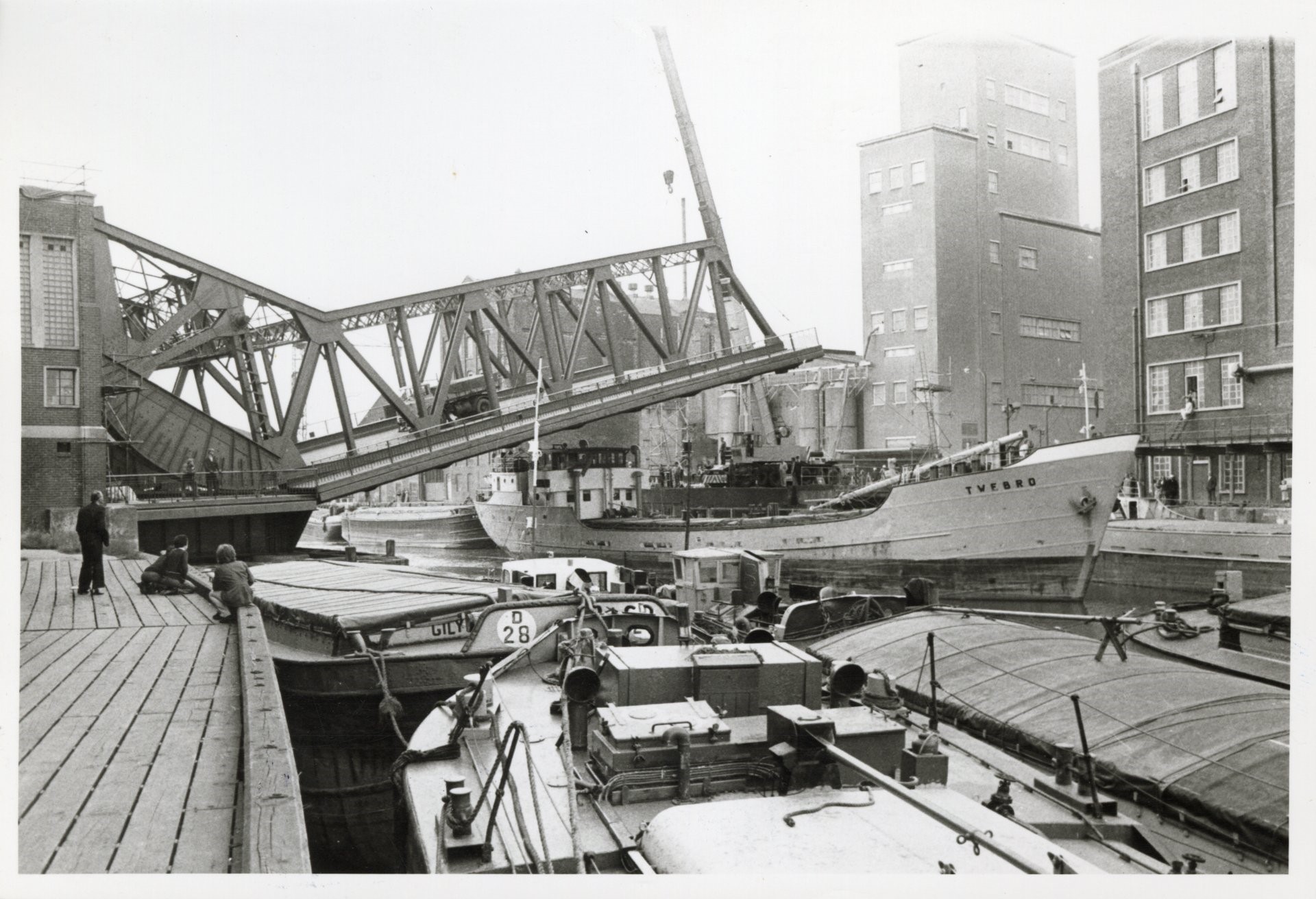
The current structure officially opened on Wednesday 5 July 1961 and has since served motorists, cyclists, and pedestrians alike. It replaced the original Drypool Bridge, which had served the city for over 70 years.
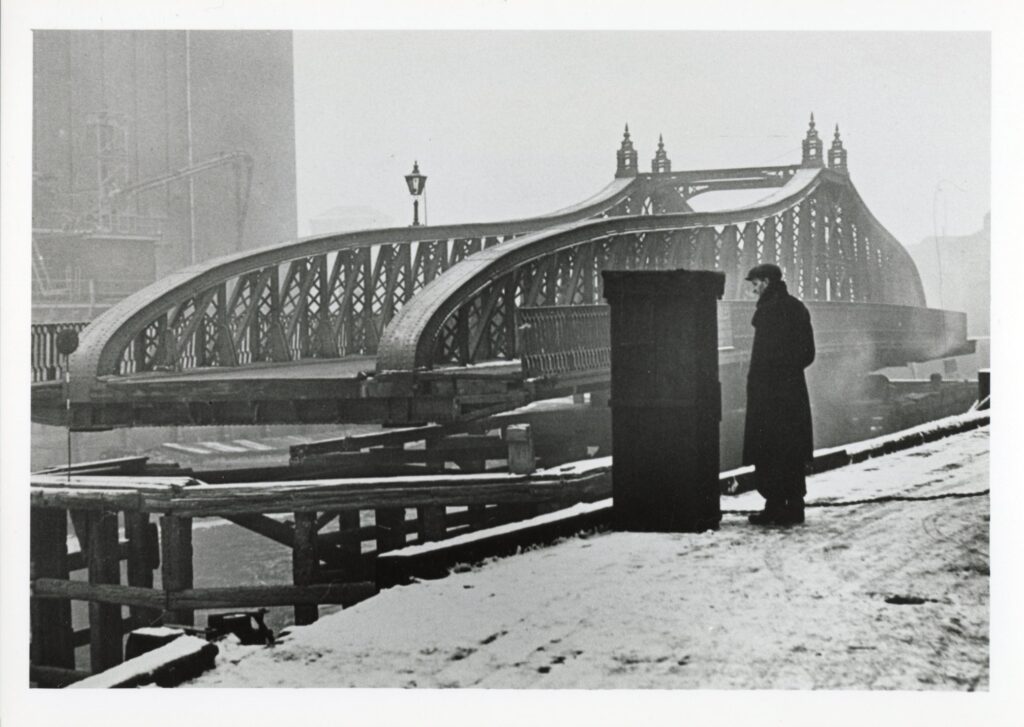
The earlier bridge opened on 13 September 1888, weighed 400 tonnes, and took 18 months to build. It was closed on 19 May 1959 and subsequently demolished to make way for the modern structure.
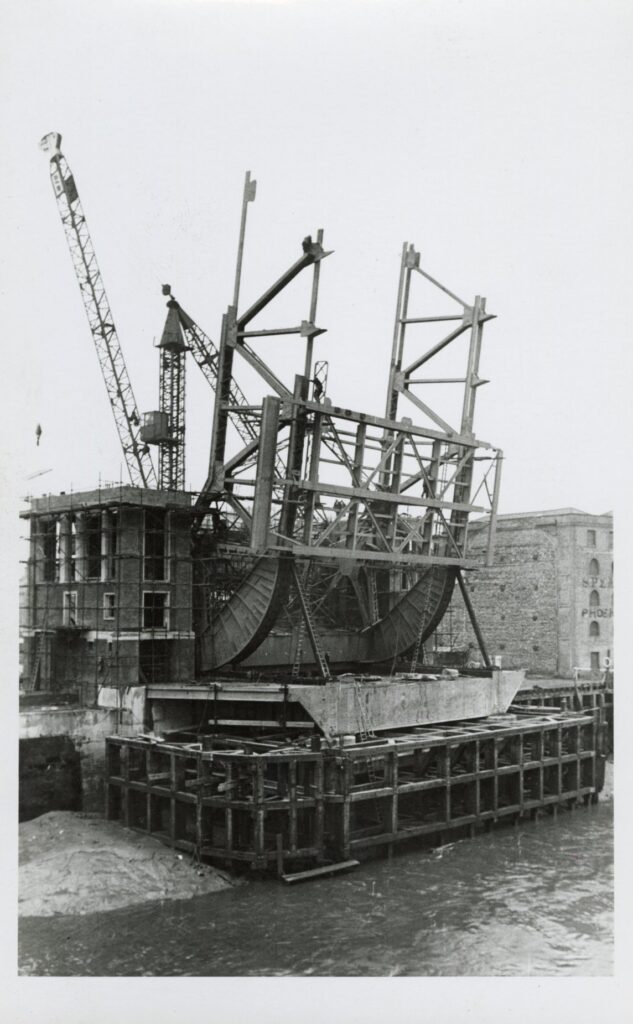
The present bridge is a single-leaf bascule Scherzer rolling bridge – a moveable structure that uses a counterweight to continuously balance the span as it lifts to allow river traffic to pass. This design reflects mid-20th-century engineering. Weighing 1,436 tonnes, it took two years to construct.
In 2017, Hull’s City of Culture year, the bridge was given a colourful facelift, inspired by the work of 19th century Hull-born mathematician and philosopher John Venn. This design enhanced the structures visual and cultural presence in the city.
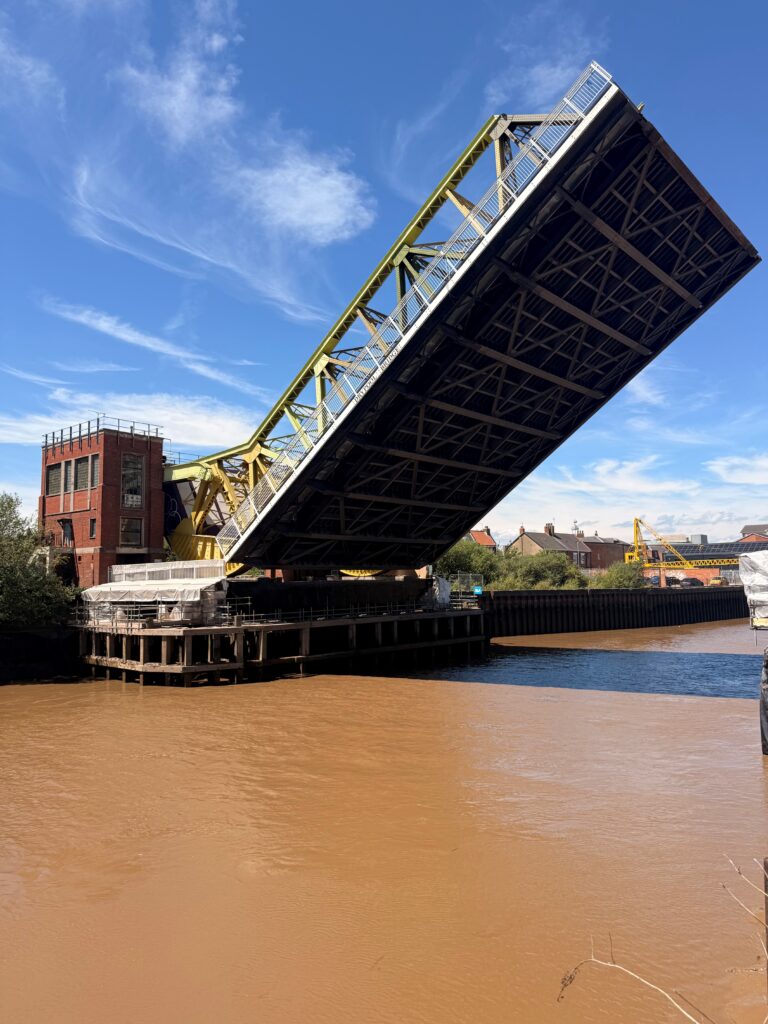
While the bridge we see today has undergone routine maintenance, it is currently receiving its most comprehensive overhaul since being constructed.
Since the major repair and strengthening programme started on the bridge in July 2025, significant works have been completed. Such as –
- surfacing and nosing removed and replaced, with repairs completed on the east fixed span
- over 1,500 steel dowels were installed and strength tested
- defective concrete and rebar have been removed, and jacks and stanchions have been installed to support the bridge’s load
- all the high level concrete columns have been removed via wire saw cutting and then reconstructed, alongside general concrete repairs
- transverse beams were removed following concrete removal using high-pressure water jets and steel cutting, and have been replaced, allowing bearing works to commence.
- high level cathodic protection installation.
- silt cleared to allow for inspection and low level cathodic protection works
Councillor Mark Ieronimo, cabinet portfolio holder for transport and infrastructure at Hull City Council said: “Drypool Bridge is not only a vital link across the River Hull, but a proud part of our city’s heritage.
“This is the most significant programme of works the bridge has seen since opening in 1961 and represents a major investment in Hull’s infrastructure.
“With strong progress already made, these works will ensure the bridge is stronger, safer and ready to serve our city for decades to come.
“We thank residents and businesses for their patience while this important work is carried out.”
Paul Allen, Senior Project Manager at Esh Construction, said: “With our extensive experience in delivering complex infrastructure projects, we’re proud to play a key role in restoring and preserving this important structure for future generations.”
Andy Thompson, director of bridges at Mason Clark Associates said: “As a Hull-based company, we’re proud to be contributing our expertise to a project that will safeguard the future of Drypool Bridge, ensuring it remains a safe, functional, and cherished part of Hull’s infrastructure for generations to come.”
For more information, visit Drypool Bridge | Programmes – Bridges | Hull
For the latest traffic updates, follow Travel Hull on X or Facebook. Alternatively, visit Live Traffic and Travel – Travel Hull. For weekly traffic and travel updates, visit Hull weekly roadworks update – Hull CC News