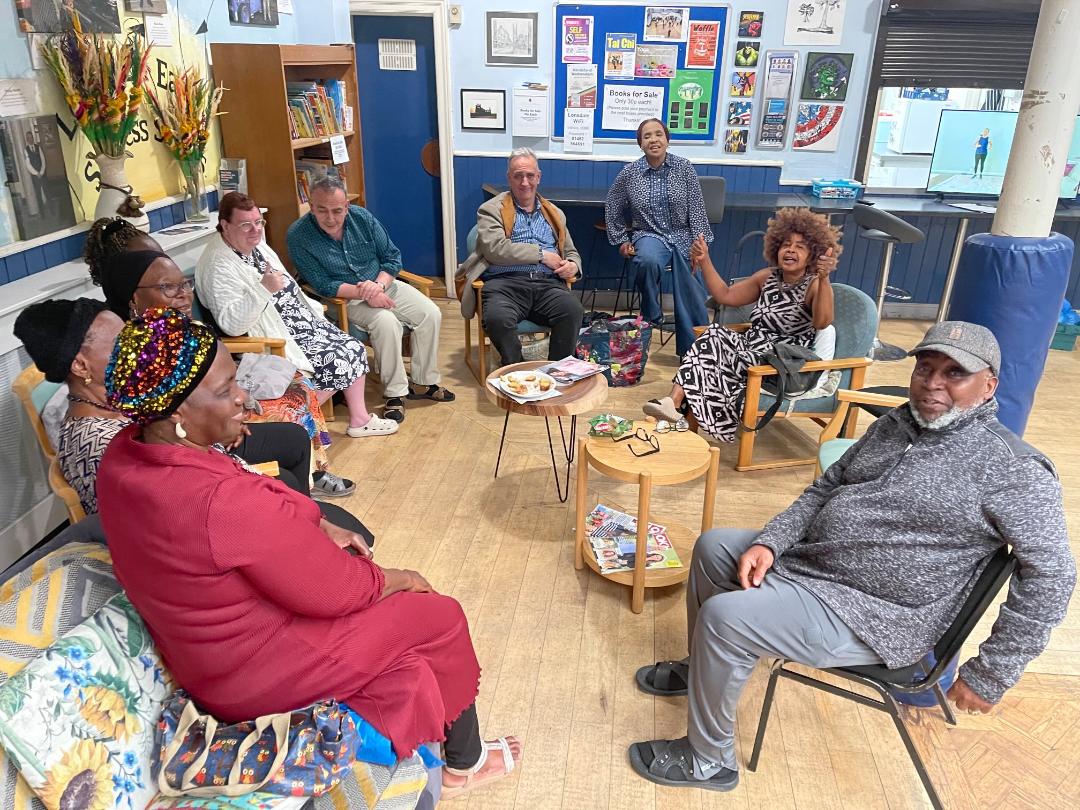
Hull City Council has commissioned an important new research study. The SENIOR Project aims to better understand the social care needs of older adults from Black, Asian and Minority Ethnic (BAME) communities, and the challenges they face when accessing formal care and support.
Hull is becoming increasingly diverse, with a growing number of residents from diverse ethnic backgrounds. As communities change, it is vital that Adult Social Care services reflect this diversity and work well for everyone.
Previous work has shown that there is very limited data about the social care needs of older people from ethnic minority backgrounds. Under the Care Act 2014, the Council has a legal duty to understand and respond to the specific needs of all communities in Hull. This study is a key step in meeting that responsibility.
The Council’s vision is to support people to live full and meaningful lives – to experience love, friendship and connection, to feel safe in their own homes. Understanding people’s lived experiences is essential to making this vision a reality.
The research will involve gathering both survey and interview data with older adults, their carers, and community leaders. By listening directly to people’s experiences, the study will explore how older adults from BAME communities access adult social care, what works well, and where improvements are needed.
The findings will be co-produced with communities and will help Hull City Council better shape its adult social care services, particularly for people whose voices are often less heard. The evidence will feed directly into the delivery of the new Adult Social Care Plan 2026–2028, which also supports the ambitions of the Hull Community and Council Plans.
The research team is led by Dr Franklin Onukwugha, Senior Lecturer in Epidemiology and Public Health at the University of Hertfordshire and Senior Visiting Research Fellow at the University of Hull, alongside Dr Nneka Ofoegbu-McCourt, a social worker and community researcher at Women Accede and Dr Mavuto Kambochola Banda. The combination of strong professional expertise alongside lived experience and deep connections within local communities will help to ensure the right voices are heard.
The project is also supported by Hull City Council’s Adult Social Care leadership team, including the Principal Social Worker, the Equality, Diversity and Inclusion Lead, and the Service Development Officer for Information and Prevention.
Tracy Meyerhoff, Executive Director of Adult Social Care and Health (DASS) at Hull City Council, said: “This research is about listening, learning and working together. Hull is a proud and diverse city, and our adult social care services must reflect the needs of all our residents. By hearing directly from older people and their communities, we can ensure our services are fair, inclusive, and truly supportive for everyone who needs them”.
Hull City Council encourages the following BAME community members to take part and share their experiences:
- older adults
- their families
- carers
- community leaders
Their voices will play a vital role in shaping more accessible, culturally responsive and inclusive adult social care services in Hull. By working together with communities, Hull City Council is committed to reducing inequalities, building trust, and ensuring that everyone can age with dignity, choice and independence in a city that values them.
Councillor Linda Chambers, Portfolio Holder for Adult Social Care, said: “I’m pleased that we’re taking this proactive approach to ensure our services are truly meeting the needs of all Hull’s residents, and I’d encourage anyone from our BAME communities to take part and help shape the future of adult social care in our city.
“We know that older people from our diverse communities can face particular barriers when it comes to accessing the care and support they need. This research will give us invaluable insights into those challenges and, crucially, help us understand how we can do better.”
If you would like further information or would like to discuss any details personally, please contact adultsdeliveringdifferently@hullcc,gov.uk.